From lease to line out the door.
REI Hospitality runs two kinds of engagements: building a restaurant or brewery from the ground up, and running point on the systems that keep an open room consistent. Most clients start with one and stay for the other.
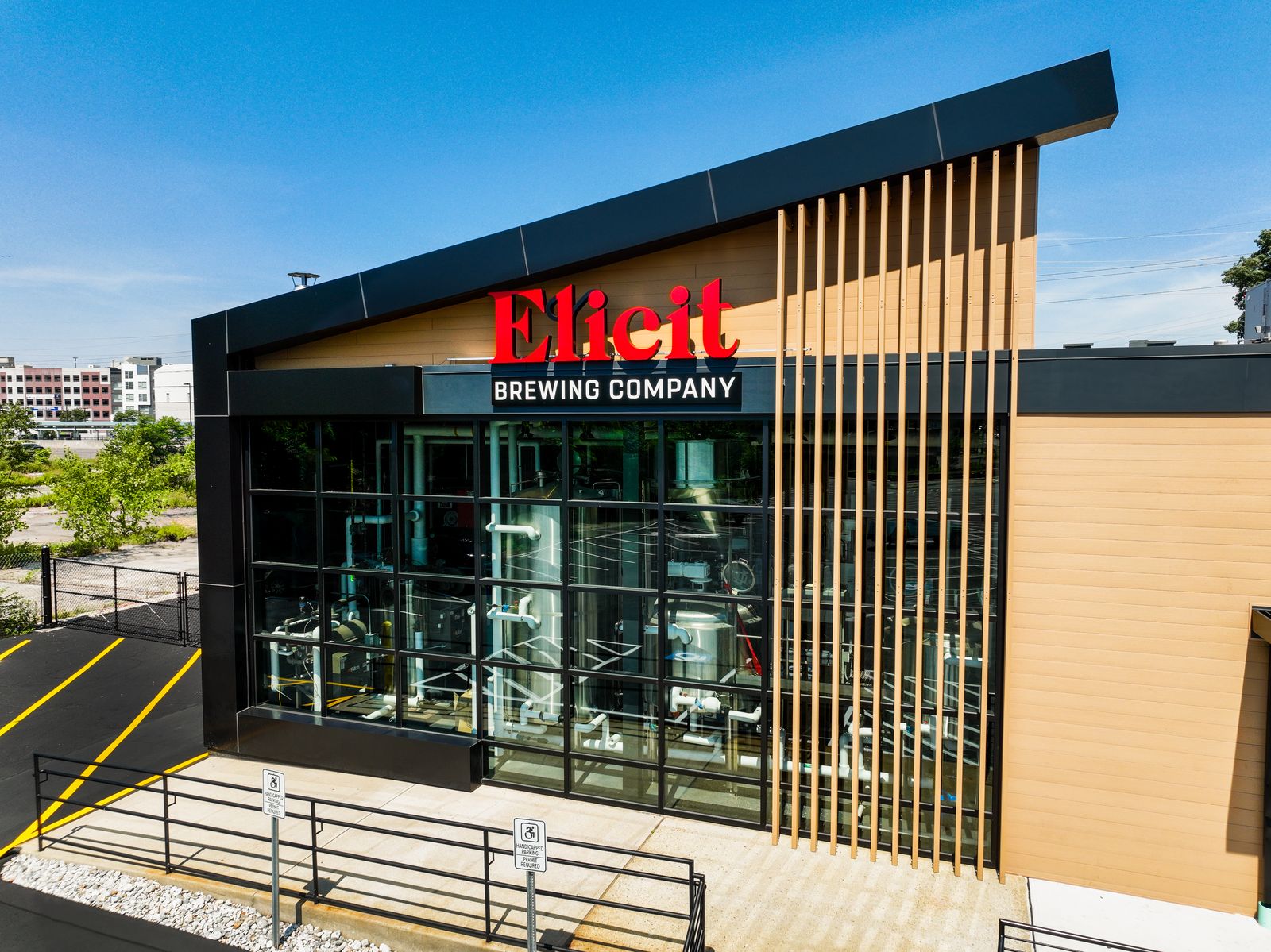
Blueprint to open.
New restaurants and breweries are planned, permitted, and built to run — not just to open. REI Hospitality manages the full arc: picking the right site, designing a room that works under service pressure, and getting every license signed before the doors do.
Site selection, feasibility & pro formas
Before a lease gets signed, the numbers need to work. Sites get evaluated against traffic, competition, and build-out cost, and the pro forma tells you whether the concept pencils — before you're locked into a location.
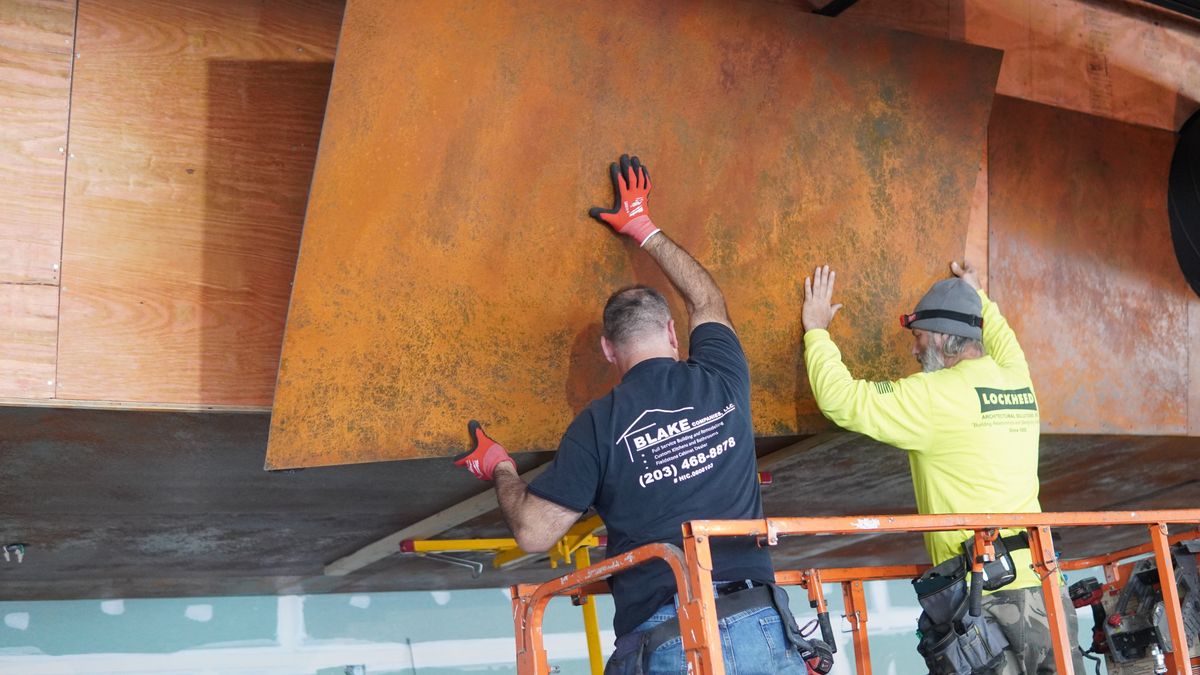
Construction & pre-construction management
Permitting, contractor bids, budget tracking, and the hundred small decisions that happen between demo and drywall. The build side of the project gets managed so surprises get caught in a meeting, not on a job site.
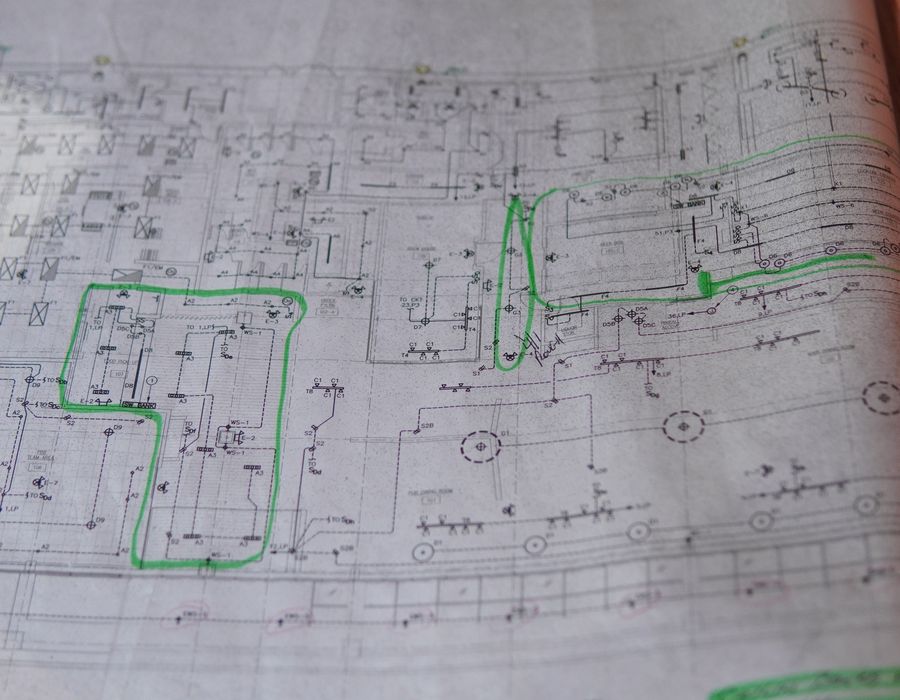
Layout & design — kitchen, bar & brewery
A room that photographs well and a room that survives a Friday rush aren't always the same room. Layouts are designed around workflow first — kitchen line, service path, bar program, brewhouse footprint — so the space performs once it's full.
Equipment selection & build management
Specs, vendors, lead times, and install — matched to the menu and the volume the space actually needs, not a generic equipment list.
Licensing — TTB, liquor & zoning/building
Federal brewing permits, state liquor licenses, zoning approvals, building sign-off. Applications and timelines get tracked so licensing isn't the thing holding up your open date.
The systems that keep it running.
Opening night is the easy part. What keeps a room consistent six months in is the operating system underneath it — the training, the tech stack, the numbers, and the vendors. This work is built and tuned for rooms already open, not just the ones being built.
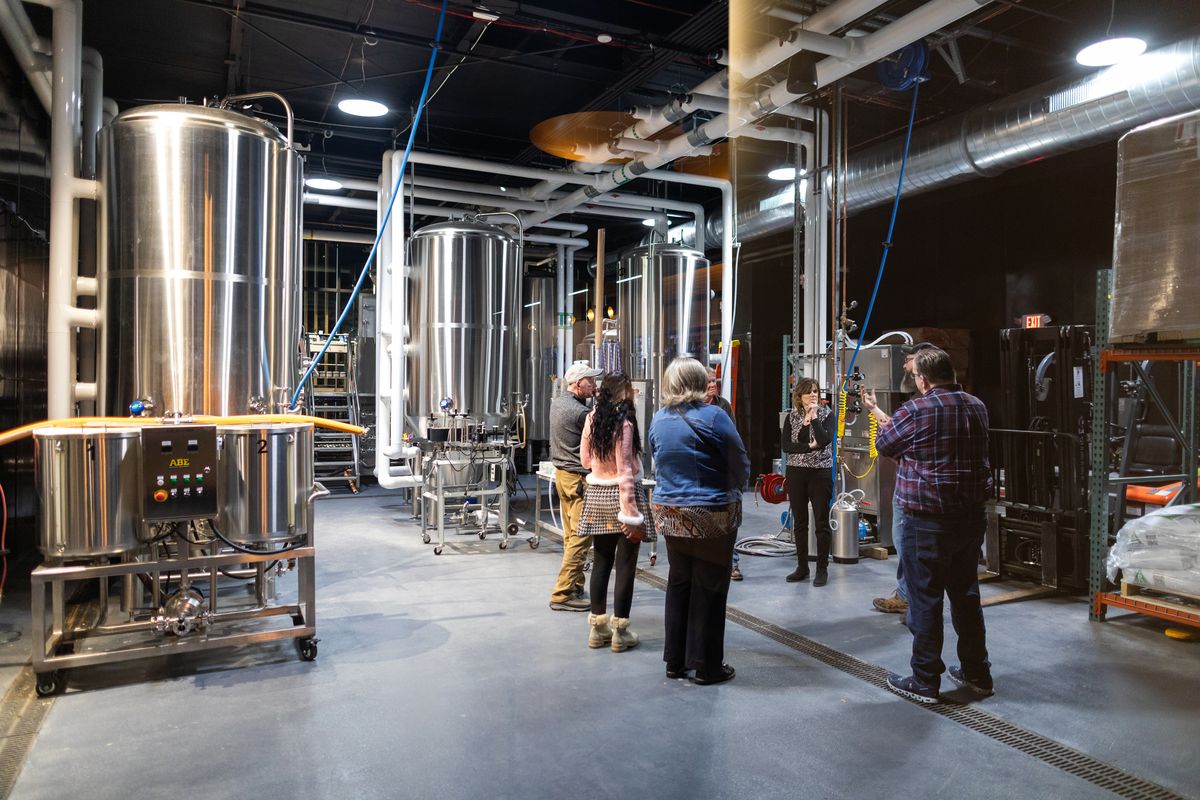

Kitchen additions for breweries without one
A lot of breweries opened without a kitchen and are leaving revenue on the table because of it. Scoping and managing the addition — permitting, layout, equipment, and menu — for breweries ready to start feeding people.
SOPs, training & opening playbooks
Documented procedures and training that outlast the opening crew, so consistency doesn't depend on any one person still being on staff.
POS & tech stack
The right POS and the right integrations — payments, reservations, labor, inventory — set up to talk to each other instead of living as separate systems no one fully trusts.
AI implementation
Custom AI built around a specific job — demand forecasting, inventory alerts, guest messaging, scheduling — wired into the systems already in place, not bolted on as a gimmick.
Costing, P&L & menu engineering
Menu pricing tied to actual food cost, a P&L you can read at a glance, and menu engineering that pushes the mix toward what's actually profitable.
Vendor & sourcing support
Vendor relationships and sourcing decisions reviewed and renegotiated — better pricing and better product without doing the legwork yourself.
Turnarounds
Struggling rooms get an outside read — what's broken, what's fixable, and a plan to get back to profitable.
Second locations
Opening number two (or five) with the systems from location one, adjusted for what's actually different about the new room.
Custom AI & automation projects
One-off automation built around a specific bottleneck — inventory, scheduling, guest communication — when off-the-shelf tools don't fit.
Breweries & brew pubs
Brewhouse footprint, TTB licensing, and the kitchen and floor plan to go with it — breweries are a specialty, not an afterthought.
Virtual sports & entertainment concepts
Golf simulators, virtual sports lounges, and hybrid entertainment-dining concepts, planned and built the same way as a full restaurant build-out.
A short list of what actually happens.
Conversation
A call to talk through the space, the concept, and where you're stuck.
Scope
A clear scope and proposal — what's included, what it costs, what it takes off your plate.
Build or tune
Whether it's a ground-up build-out or fixing what's already open, the work happens in the room, not just on paper.
Handoff
Documentation, training, and systems that outlast the engagement, built so REI isn't a permanent dependency.
Tell me what you're building.
New build-out or an open room that needs tighter systems — start with a conversation.